How to Care for Passion Flower (Passiflora) in the UK
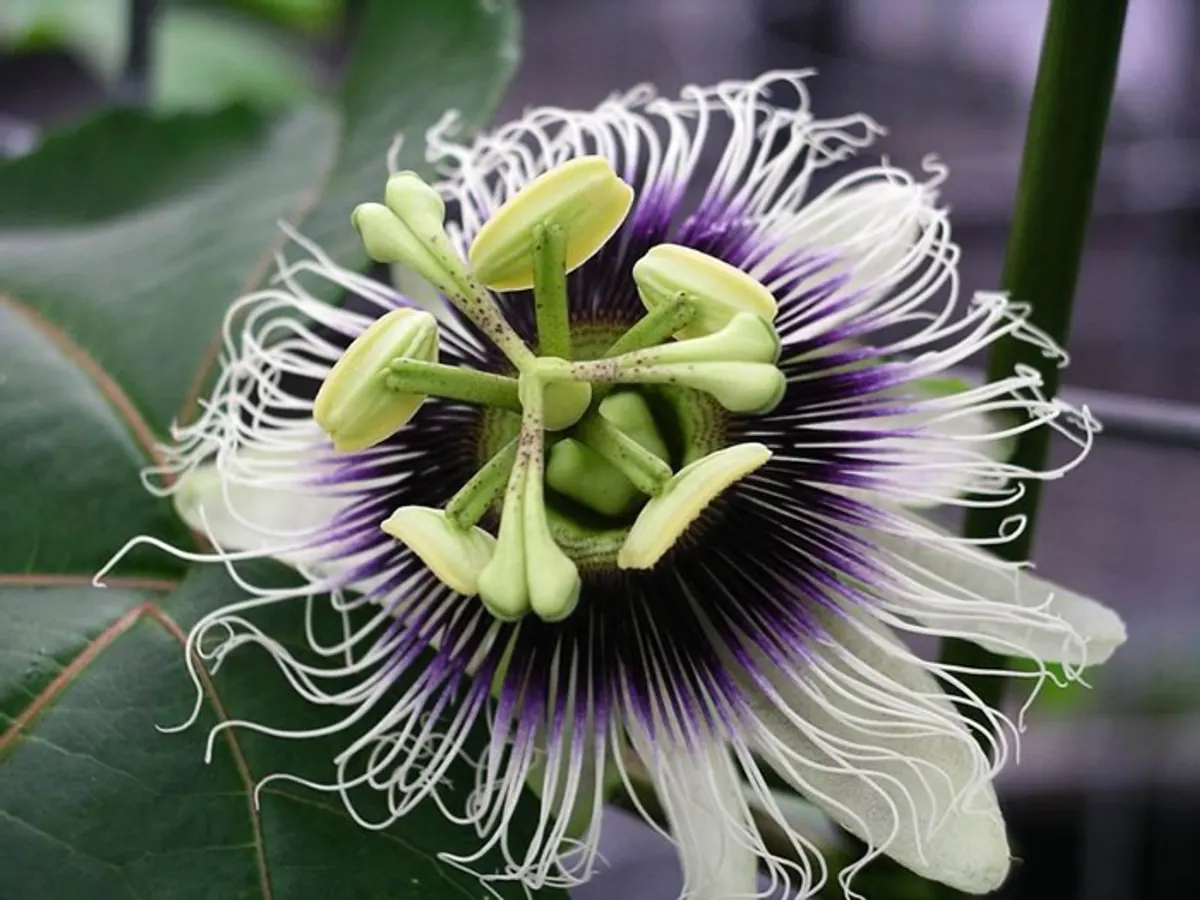
Passion flower plant care is straightforward once you match sun, soil, and pruning to the UK climate. This guide covers Passiflora care, watering, feeding, and how to keep Passiflora caerulea flowering well.
Quick Passiflora care checklist
- Plant in full sun or light partial shade against a warm wall or strong trellis
- Use fertile, well-drained soil — avoid waterlogged clay
- Water regularly in the first year; then water in dry spells
- Feed in spring with a balanced fertiliser, then a high-potash feed as buds form
- Prune in spring after frost risk passes (see our pruning calendar)
The best place to plant a passion flower
The best place to plant a passion flower is a sunny, sheltered south- or west-facing wall, fence, or arch. Roots like cool soil, so mulch the base and keep the lower stems shaded if summers are hot. In colder regions, grow against a house wall for frost protection.
Soil and watering
Best soil for passion flower is moisture-retentive but free-draining. Improve heavy soil with compost and grit. Water newly planted vines deeply once or twice a week. Established plants need less, but blackened leaves often mean drought stress in containers.
Passion flower maintenance and pruning
Passion flower maintenance is light. In early spring, remove dead or tangled stems and shorten side shoots to 2–3 buds from the main framework. Avoid hard winter pruning on young plants. Tie new growth to supports as it extends.
Growing passion flower in a pot
Choose a large container (at least 40–45 cm; our pot size calculator can help) with drainage holes, use peat-free multipurpose compost mixed with grit, and provide a sturdy obelisk. Water more often than border plants and feed monthly in the growing season.
Explore the full plant profile for specs, similar climbers, and growing details.
View Passion Flower plant page